
Understanding Sanctions Compliance Guidelines and Best Practices
Understanding Sanctions Compliance: Guidelines and Best Practices
In today’s global business environment, complying with sanctions has become an essential requirement for companies operating internationally. Sanctions compliance refers to the measures and procedures implemented by businesses to ensure they do not inadvertently engage in transactions prohibited by law. The risk of violating sanctions can lead to severe consequences, including hefty fines and reputational damage. Therefore, organizations must adopt a proactive approach to understand and implement effective sanctions compliance strategies.
With the growing complexity of global regulations, businesses need to invest in comprehensive sanctions compliance programs. The Sanctions Compliance Sanctions Lawyers play a critical role in guiding organizations through these regulations.
What Are Sanctions?
Sanctions are restrictive measures imposed by governments or international organizations on countries, entities, or individuals. Their purpose is to influence policy decisions, uphold international law, and promote global security. Sanctions can take various forms, including trade restrictions, asset freezes, and travel bans. Understanding the legal framework surrounding these sanctions is vital for any business that engages in international trade or relations.
The Importance of Sanctions Compliance
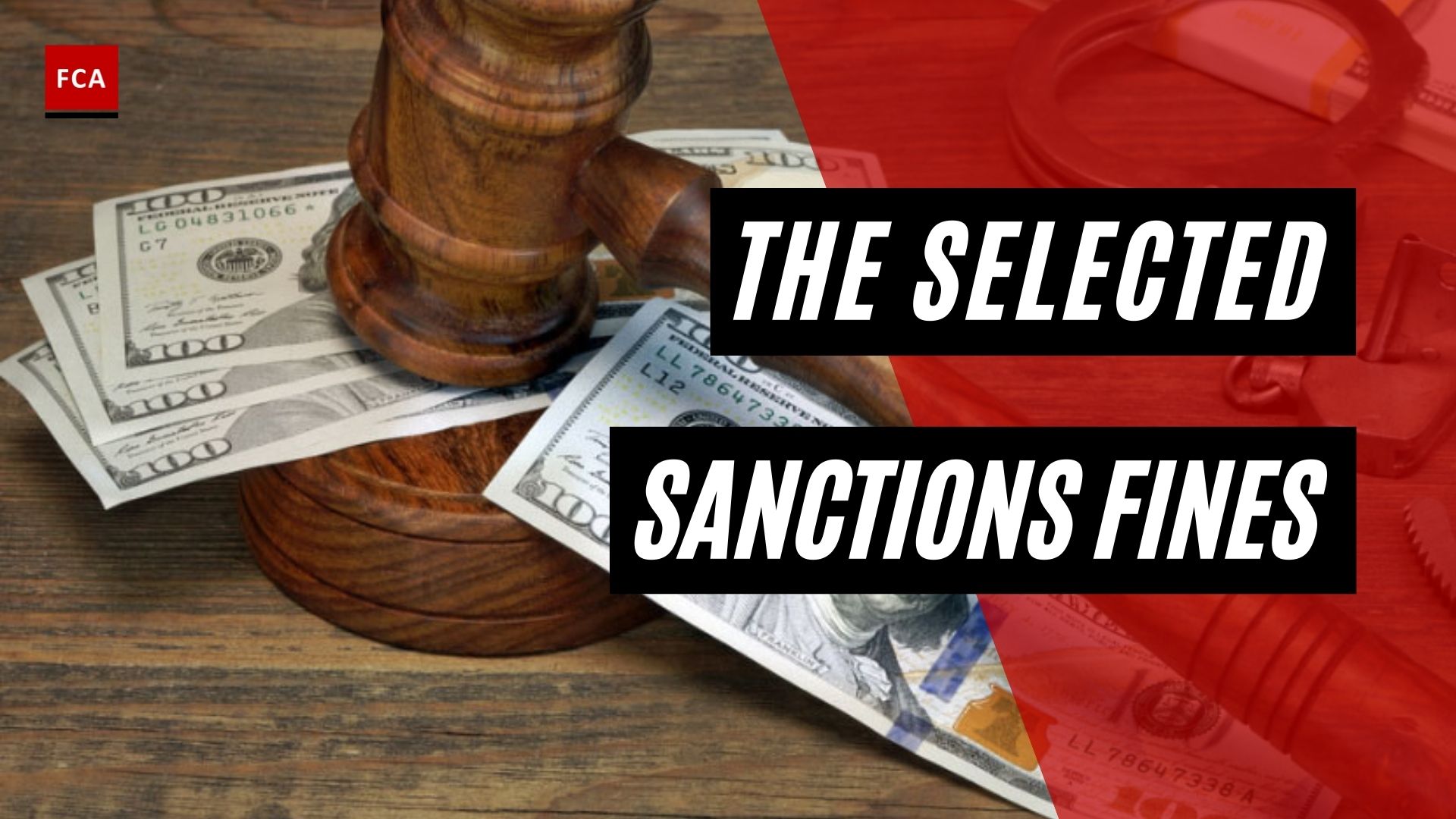
Failure to comply with sanctions can lead to significant legal repercussions and financial losses. Companies can face fines that range from hundreds of thousands to millions of dollars, alongside potential criminal liability for executives. Moreover, non-compliance can result in the loss of valuable business opportunities, damage to brand reputation, and increased scrutiny from regulatory bodies.
In addition, non-compliance can affect relationships with financial institutions, which may be hesitant to engage with entities that have a history of violating sanctions. This could lead to restricted access to banking services, elevated transaction costs, and challenges in securing funding. Therefore, enhancing sanctions compliance is not only about legal adherence; it’s also a strategic business imperative.
>
Key Components of a Sanctions Compliance Program
To develop a robust sanctions compliance program, businesses should consider the following key components:
- Risk Assessment: Conducting a thorough risk assessment helps identify potential exposure to sanctions based on the company’s operations, clientele, and regions of engagement.
- Policy Development: Developing clear sanctions compliance policies and procedures is essential for guiding employees on acceptable practices and potential red flags.
- Training and Awareness: Regular training for employees at all levels ensures that they understand the sanctions landscape and the importance of compliance.
- Monitoring and Auditing: Continuous monitoring of business transactions for potential sanctions violations, as well as regular audits, can help maintain the integrity of the compliance program.
- Reporting Mechanisms: Establishing channels for employees to report potential sanctions violations confidentially promotes a culture of compliance within the organization.
Legal Considerations in Sanctions Compliance
Sanctions compliance is governed by a complex web of domestic and international laws. For example, in the United States, the Office of Foreign Assets Control (OFAC) administers and enforces economic and trade sanctions. Businesses operating in the U.S. or engaged in transactions with U.S. individuals are subject to these regulations, even if they are based abroad.
Similarly, the European Union imposes its own set of sanctions through the Common Foreign and Security Policy. Companies must navigate these regulations carefully and ensure they comply with both local and international laws to mitigate the risk of penalties.
Challenges in Sanctions Compliance
Companies face numerous challenges in adhering to sanctions compliance. The ever-evolving nature of sanctions laws can create confusion, as regulations may change dynamically based on geopolitical developments. Organizations must stay updated with changes and adjust their compliance programs accordingly.
Furthermore, businesses with complex supply chains may inadvertently engage with sanctioned entities, even when due diligence is performed. Effective communication between compliance teams and other departments, like procurement and legal, is crucial in mitigating these risks.
Best Practices for Effective Sanctions Compliance
To enhance sanctions compliance, organizations should consider implementing the following best practices:
- Engagement with Legal Experts: Collaborate with legal professionals specializing in sanctions law to ensure your compliance program is up-to-date and robust.
- Utilize Technology: Leverage compliance technology solutions to automate screening processes, monitor transactions, and analyze risks effectively.
- Regular Updates: Keep your sanctions compliance policies and training materials updated to reflect the latest regulatory changes and industry best practices.
- Integrate Compliance Culture: Foster a company-wide culture that prioritizes compliance and ethical behavior to reduce the risk of violations.
Conclusion
Sanctions compliance is a critical aspect of modern business operations, especially for companies engaged in international trade. Understanding the complex landscape of sanctions, implementing effective compliance programs, and staying updated with regulatory changes are essential for mitigating risks. By prioritizing sanctions compliance, organizations not only protect themselves from legal repercussions but also enhance their reputation and long-term sustainability in the global market.

